Self-care Tips for PCOS

From our Spring e-newsletter: Colleen Fuller, SymptoPro Instructor and Naturopathic Doctor, shares some ways to take care of yourself if dealing with PCOS.
PCOS (Polycystic Ovarian Syndrome) is one of the most common endocrine or hormonal disorders in younger women. PCOS involves multiple organs and usually involves the symptoms of hirsuitism (excessive hair growth on body parts that normally have fine hair), obesity (not always), oligomenorrhea (infrequent menstruation), and imaging that shows excess cysts on the ovaries (normal is 1-2 per cycle). There are 2 factors that are present: insulin resistance and high levels of the sex hormones that are attributed to male characteristics. The insulin resistance is important to address and it leads to the increase in male hormones. There are different severities of symptoms. Some women have regular cycles and are not overweight. It’s important to get a thorough and proper diagnosis from your Primary Care Provider to accurately treat. Other health issues might present in a similar fashion. Self-diagnosis does not count as a thorough work-up.
Helping your body recover from PCOS is important because untreated PCOS increases the chances of Diabetes Mellitus type 2, hypertension, endometrial cancer, cardiovascular disease, and high cholesterol. Oral contraceptives do not solve or cure PCOS. They are used to help decrease the chances of endometrial cancer. However, artificial hormones do not heal/cure PCOS and do not address any of the root causes of PCOS. The root issues involve blood sugar regulation, weight management issues, and hormonal imbalances. Birth control pills are artificial hormones that need to be broken down by the liver. The liver is already working hard to break down excess hormones in the body. Taking artificial hormones on top of hormonal imbalances can be hard on the liver, especially if done over long periods of time. Birth control pills mask hormonal issues but do not heal them. To heal them, better control over blood sugar issues is needed. You can help one symptom but you need to treat some of the root causes in order to be actively working on recovery. This requires you to take an active part in your health by making necessary changes.
- Diet
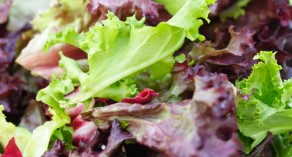
Reducing carbohydrates and increasing protein and vegetables can improve insulin. Insulin promotes triglyceride storage (the bad cholesterol). Simple carbohydrates like white rice, breads (especially processed white and wheat breads), potatoes, pastas, and many other foods break down quickly into sugars which raise your body’s production of insulin. By decreasing the amount of quick available sugar from food, you can then decrease the high release of insulin. One way to decrease your carbohydrates is to only eat grains at 2 of the 3 meals. When you do eat them, eat them in small portions. Grains include: rice, quinoa, millet, amaranth, corn, wheat, buckwheat, spelt, etc. If you have a sandwich, try an open-faced sandwich (one slice of bread on bottom and lots of lettuce for the top.) A whole foods diet (unprocessed foods) that includes whole grains, fruits, vegetables, nuts, and seeds will help increase fiber and decrease insulin. Incorporate healthy fish and meat (grass fed) into your diet.
- Avoid xenoestrogens!
Xenoestrogens are substances that disrupt the hormone receptors in our body, creating hormone imbalances. Examples include pesticides, herbicides, and plastics that leach Bisphenol A. Some plastic storage containers contain bisphenol A, including plastic water bottles. If you do not eat organic food, the food will contain pesticides and herbicides. Xenoestrogens are broken down in the liver. Women with PCOS are more likely to have a genetic mutation in their detoxification pathway in the liver. The liver breaks down excess hormones as well. By decreasing xenoestrogen load, you can help your body spend more time balancing its own hormonal imbalance.
- Exercise
Exercise helps reduce excess fat. Excess fat can produce more estrogen, which leads to hormonal imbalances. Fat cells also can produce another hormone (leptin) which help cells communicate things like a sense of fullness. Excess fat can create imbalances in leptin. So, the body isn’t getting the message of fullness when someone has excess fat. Exercise helps to reduce the excess fat and therefore aides the body of getting the message of fullness.
- Increasing insulin sensitivity
There are a few things you can incorporate into your diet to increase insulin sensitivity. First, make sure you have enough Chromium in your diet. Chromium is needed for insulin regulation. Chromium can be found in foods like: potatoes (with the skin), green peppers, carrots, apples.
Biotin is needed in the formation and release of insulin. It’s found in eggs, oats, and fish. Vanadium can show insulin-like activity and therefore decrease the need for insulin to be released from the body.
Vanadium is in buckwheat groats, whole corn, raw oats. Magnesium can be protective against heart disease, diabetes, and it can help deliver nutrients to tissues. Magnesium is found in buckwheat, figs, black eyed peas, swiss chard, almonds, cashews, and filberts. Getting nutrients from food is the best source. Supplements can have too high or too low amounts.· Food is the best medicine.
These are just some basic tips for self-care for PCOS. Taking the active approach to your health by making sure you eat a healthy diet, not taking in harmful chemicals, exercising, and eating foods that help increase insulin sensitivity can help. You should always speak with your health care provider regarding your specific case as each person requires individual care. Remember, health requires an active participation from you.
References:
- Marz, Russell N.D. 2002. Medical Nutrition. Omni-Press. Portland, Oregon.
- Endocrinology notes: Dr. Miller 2010
- Hudson, Tori N.D. 2008. Women’s Encyclopedia of Natural Medicine. McGraw-Hill. New York, New York.


